You can absolutely learn Arabic at your own pace—and millions of people are doing it right now, from their commutes, kitchen tables, and lunch breaks. Self-paced learning isn’t a compromise. For the right person, it’s the smartest approach available.
This guide covers everything: why flexible learning works, how to get started, the best tools and methods, and how to stay on track when motivation runs dry. Whether you’re eyeing virtual Arabic classes, exploring e-learning platforms, or building your own independent study routine—this is your roadmap.
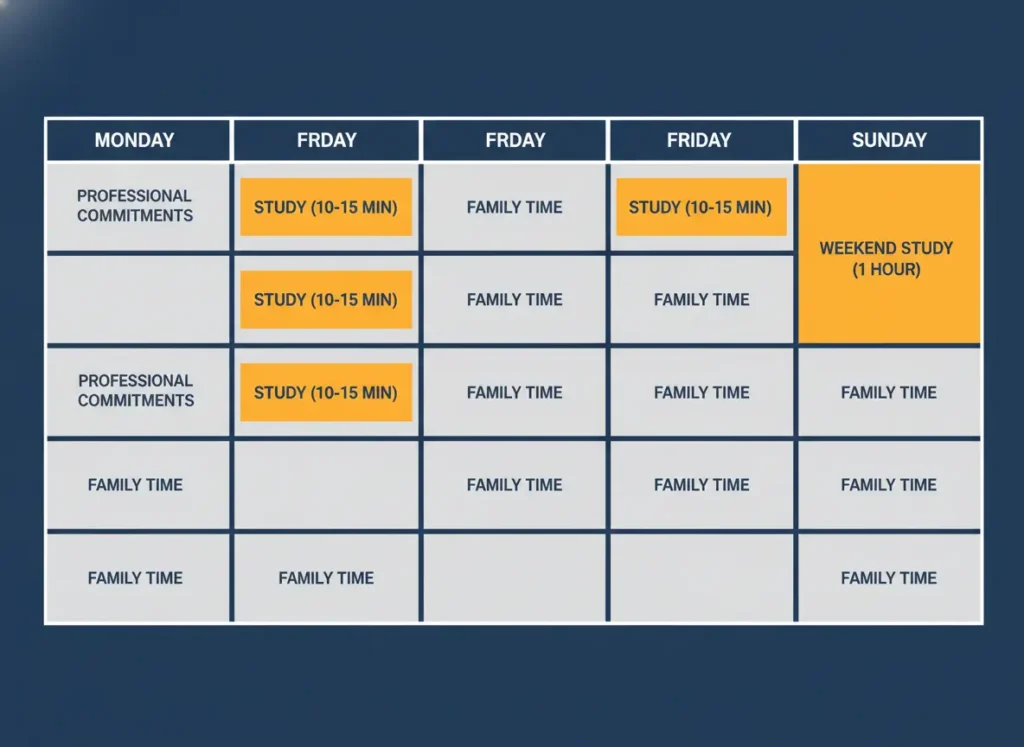
People are always busy with kids, home, and work; time is hard to manage. But with us, no! We’ll take control of your time without any pressure. Think of it as playing, not learning. We’ll get to know each other, share stories, and laugh. And our laughter is like learning one of the most important languages in the world, spoken by two billion people. Imagine how easy it is! If you’re someone who doesn’t have time to learn, this is your place, this is your opportunity. Don’t hesitate, join us and start your wonderful journey!
Why Learn Arabic at Your Own Pace?
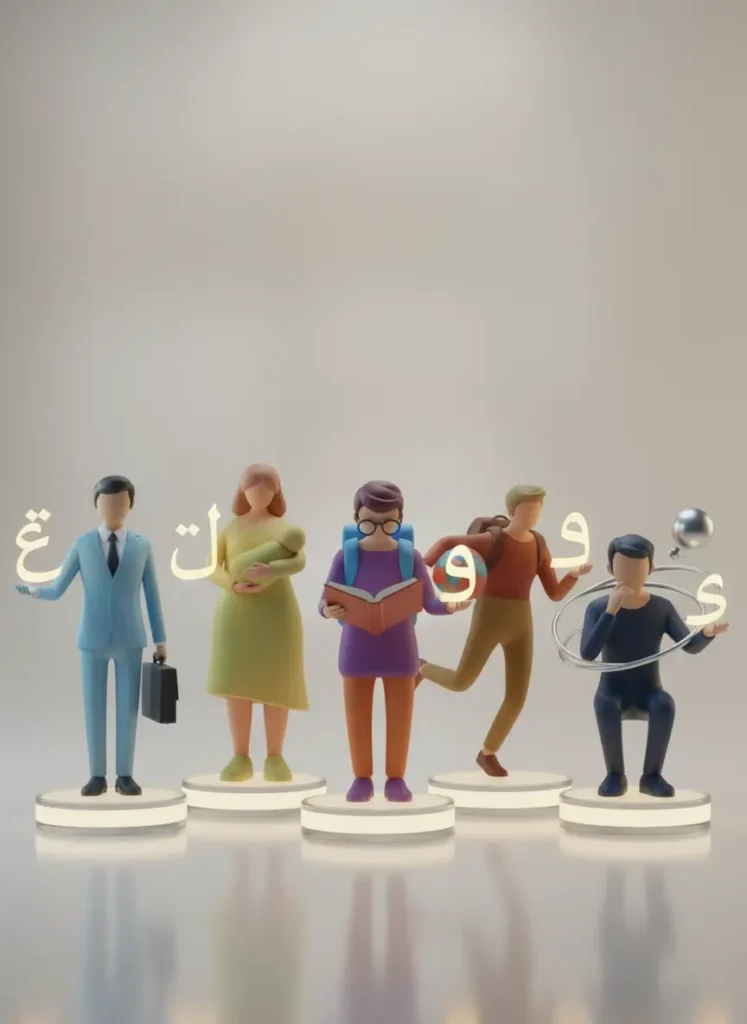
Here’s the thing: traditional Arabic courses are built around the teacher’s schedule. Not yours.
You show up Tuesday at 7pm—or you lose your spot. Miss three classes? You’re behind. Pay $600 for a course and travel for work week two? Tough luck.
Self-paced Arabic learning flips this completely. You study when you can, at the speed that works for you, with the focus areas that actually matter for your goals.
Benefits of Flexible Learning
The advantages go deeper than just “convenience.” They affect how well you actually retain the language.
You remove the pressure that kills progress. Most language learners quit not because Arabic is too hard—but because they fell behind and felt too embarrassed to catch up. Self-paced learning eliminates that spiral.
You study during your peak hours. Some people absorb new information best at 6am. Others at 10pm. Fixed courses ignore this completely. Self-paced study lets you match your biology.
You can accelerate when life allows. Got a slow week at work? Study two hours a day. Busy month with deadlines? Drop to 15 minutes and maintain your streak. The flexibility works in both directions.
Distance is no longer a barrier. Virtual Arabic classes and online learning platforms mean you have access to quality Arabic instruction no matter where you live—Cairo, London, or rural Montana.
And one more thing worth saying plainly: self-paced learning is cheaper. A lot cheaper. We’re talking $50–300 for comprehensive materials versus $500–2,000 for structured courses.
Tailored Learning Experiences
Self-paced learning means you can shape your Arabic study around your goals—not a generic curriculum.
Want to read the Quran? Focus on Classical Arabic grammar and vocabulary. Moving to Dubai for work? Prioritize Gulf dialect and professional phrases. Planning a trip to Morocco? Darija basics matter more than formal grammar right now.
A traditional class teaches everyone the same material in the same order. Self-paced learning lets you invest your hours where they count.
Getting Started with Arabic Learning
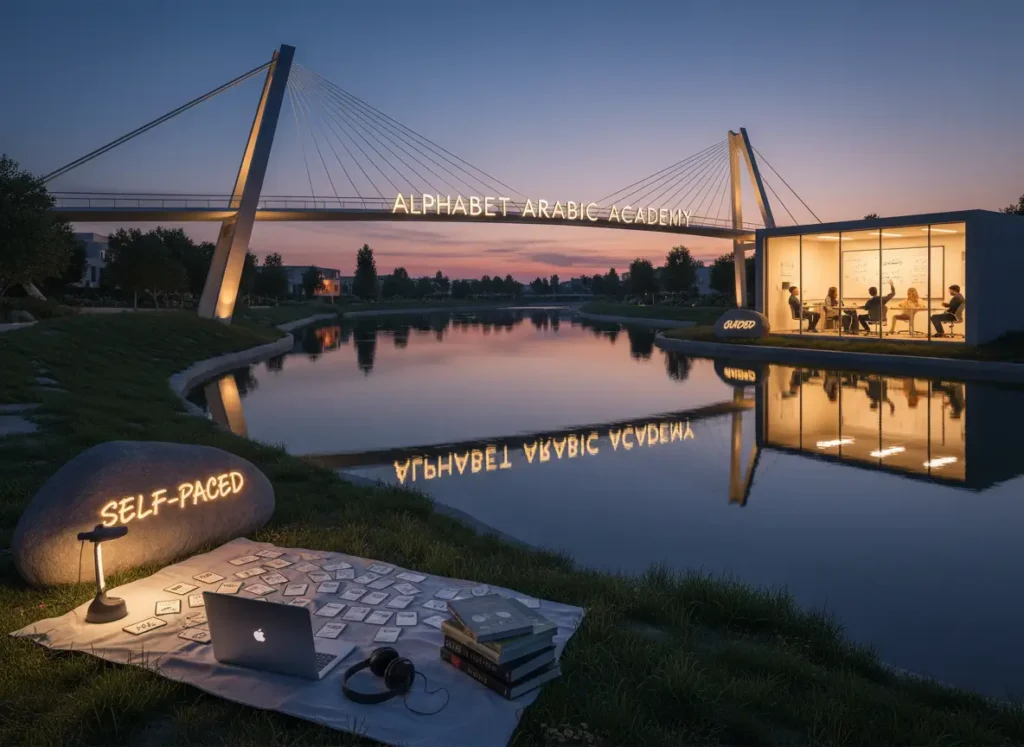
Before you pick a resource or download an app, two things matter above everything else: knowing where you’re starting from, and choosing a learning path that fits your actual life.
Skip these steps and you’ll almost certainly quit within 60 days. Do them right and you’ve already cleared the biggest obstacle.
Assessing Your Current Level
Honestly, most people guess wrong here. They think they know less than they do (if they’ve had any exposure to Arabic), or they overestimate and jump into intermediate material that frustrates them.
A few ways to assess properly:
Take a placement test. Alphabet Arabic Academy offers a free Arabic level test at /free-arabic-level-test/ that gives you a clear starting point in under 15 minutes. No guessing.
Try reading. Pull up any Arabic text—a news headline, a Quran verse, a food menu. Can you read the letters? Sound out the words? Understand any of it? Your honest answers tell you a lot.
Try listening. Watch 60 seconds of Al Jazeera or any Arabic YouTube video. How much registers? Even zero is useful data.
Most adults starting fresh are complete beginners. That’s fine. The alphabet takes roughly 2–4 weeks to learn properly, and from there, progress compounds quickly.
Choosing the Right Resources
This is where most self-paced learners go wrong. They download five apps, buy two textbooks, bookmark twelve YouTube channels—and bounce between them constantly without making real progress.
Pick ONE primary resource. Commit to it for at least three months before evaluating.
For complete beginners, the best starting points are:
- Apps (Duolingo, Mango Languages): Good for absolute basics and alphabet introduction, not sufficient alone
- Textbooks (Al-Kitaab, Mastering Arabic): Comprehensive and systematic, best for serious learners
- Structured online courses: Combine video lessons, exercises, and sometimes tutor access
For a full breakdown of free options, the [Learn Arabic Free: Best Websites] guide covers the most reliable resources at every level.
The key question to ask: Does this resource cover the Arabic I actually need? Modern Standard Arabic (Fusha) is the right choice for most self-paced learners—better resources, standardized progression, works across the Arab world.
Best Methods to Learn Arabic Independently

There’s no single “best” method. There’s the best method for you—based on your schedule, learning style, and what keeps you showing up day after day.
Online Courses vs. Traditional Classes
Virtual Arabic classes have changed the game. You get structured instruction, real teachers, and community—without fixed classroom schedules.
Here’s the honest comparison:
| Factor | Online Self-Paced | Traditional Classroom |
|---|---|---|
| Schedule | Fully flexible | Fixed (miss = lose) |
| Cost | $50–300 | $500–2,000 |
| Speaking practice | Limited (arrange separately) | Built-in |
| Accountability | Self-imposed | External |
| Pace | Yours | Group’s |
| Access | Anywhere | Local only |
The verdict? Online learning in Arabic works extremely well for input skills (reading, listening, vocabulary). Speaking and pronunciation benefit from human interaction—which is why the hybrid approach works best: primarily self-study, with occasional tutor sessions for correction.
Even one 30-minute tutoring session per month changes the quality of your self-study dramatically. A teacher at /teachers/ can identify pronunciation habits you’d never catch yourself.
Mobile Apps for Arabic Learning
Apps are your secret weapon for the “impossible” days—the ones where you have 10 minutes and nothing else.
Duolingo: Best for absolute beginners and daily habit formation. Gamified, short sessions. Don’t rely on it alone past the beginner stage.
Anki: The gold standard for vocabulary retention. Uses spaced repetition to drill words at exactly the right interval. Free, powerful, and slightly intimidating at first—worth learning.
Memrise: Similar to Anki but more user-friendly. Good vocabulary builder with audio by native speakers.
ArabicPod101: Podcast-style lessons with transcripts. Excellent for commutes and multitasking.
The honest advice: use apps as supplements, not primary curriculum. They’re perfect for the 10-minute coffee break. They’re not enough to build real proficiency alone.
Effective Tools for Self-Learning
The right tools cut your learning time significantly. Here are the ones that actually matter.
Language Exchange Platforms
Speaking practice is the hardest part to arrange when you’re self-studying. Language exchanges solve this for free.
Tandem and HelloTalk connect you with native Arabic speakers who want to learn your language. You spend 30 minutes on your Arabic, 30 minutes helping them with English (or your native language). Free, real conversation practice with actual humans.
The trick is to be specific. Don’t just say “I want to practice Arabic.” Say: “I’m at A2 level, I want to practice describing my daily routine, and I’d love a patient speaker from Egypt or Jordan.” You’ll find better partners faster.
For more advanced learners, italki and Preply let you book sessions with professional Arabic tutors. One monthly session runs $25–60—a small investment that prevents bad habits from solidifying.
Flashcards and Spaced Repetition
Vocabulary is the unglamorous foundation of language learning. You need it. Lots of it. And the only efficient way to build it is spaced repetition.
The science is solid: reviewing a word just before you forget it locks it in memory far more effectively than cramming. Anki automates this completely.
How to use Anki for Arabic:
Start with the most common 500 Arabic words. Add new cards daily (10–20 is sustainable). Review every day—even on your worst day, 5 minutes of Anki reviews keeps your retention intact.
Add audio to your cards whenever possible. Hearing a word while seeing it accelerates retention dramatically.
By month six, with consistent daily Anki use, you’ll have a working vocabulary of 800–1,200 words. That’s enough to start reading simple Arabic texts and understanding basic conversations.
For a deeper dive into audio-based learning methods, see [Learn Arabic by Listening: Tricks].
Structuring Your Arabic Learning Routine
Here’s what separates the 10% who succeed at self-paced learning from the 90% who quit.
It’s not talent. It’s not aptitude for languages. It’s structure.
Daily Practice for Consistency
The biggest myth in language learning: you need long sessions to make progress. You don’t.
20 consistent minutes every day beats 3 hours on Saturday every time. The brain consolidates language during sleep—which means frequent short exposures work better than occasional long ones.
Build your routine around minimums, not maximums:
Absolute minimum (busy day): 10 minutes. Anki reviews + one new vocabulary set. Non-negotiable.
Standard day: 25–35 minutes. 10 min Anki + 15 min lesson or reading + 5 min writing practice.
Free day: 45–90 minutes. Full lesson, listening practice, maybe a language exchange call.
The key mental shift: stop thinking about it as “studying Arabic.” Think of it as “doing my Arabic thing.” It’s just part of your day, like brushing your teeth. It happens. Every day.
Emma—a marketing director with two kids and a 60-hour work week—averaged 2.5 hours per week (not per day). After 12 months of consistent self-paced study, she was reading Arabic news articles and corresponding with Arab colleagues professionally. Consistency over intensity. Every time.
Setting Achievable Goals
Vague goals produce vague results. “I want to learn Arabic” is not a goal—it’s a wish.
Try this instead:
Bad: “Get fluent in Arabic” Good: “Read one Al Jazeera article without a dictionary by December”
Bad: “Learn Arabic for work” Good: “Hold a 10-minute work call in Arabic within 9 months”
Use the SMART framework:
- Specific: Exactly what skill?
- Measurable: How will you know you’ve reached it?
- Achievable: Is this realistic for your pace?
- Relevant: Why does this matter to you?
- Time-bound: By when?
Set one major goal (12–18 months out) and monthly mini-goals that track toward it. Review your monthly goals every 30 days. Celebrate the ones you hit. Adjust the ones you missed—don’t punish yourself, just recalibrate.
Immersive Arabic Experiences
Grammar drills build your foundation. Immersion is where fluency actually happens.
Watching Arabic Movies and Shows
Arabic media is one of the most powerful—and enjoyable—tools available to self-paced learners. You absorb rhythm, pronunciation, natural vocabulary, and cultural context simultaneously.
The trick is matching content to your level.
Beginners: Start with content you already know. Watch a Disney film you’ve seen 20 times—but in Modern Standard Arabic dubbing. Familiar story, new language. Your brain fills in gaps intelligently.
Intermediate learners: Egyptian drama series are ideal. Egyptian Arabic is the most widely understood dialect across the Arab world, and the pacing in drama is slower than news or comedy.
Advanced learners: Al Jazeera documentaries, news broadcasts, and talk shows expose you to formal Arabic alongside natural speech patterns.
Don’t stress about understanding everything. At the intermediate level, catching 40–60% is entirely normal and still valuable. You’re training your ear, not taking a comprehension test.
For a deeper breakdown of listening-based methods, the [Learn Arabic Audio Fast and Simple] guide covers strategies for using media intelligently.
Listening to Arabic Music and Podcasts
Music is underrated for language learning. Arabic songs are particularly useful because lyrics repeat, melodies help memory, and you’ll catch yourself humming phrases throughout your day.
Start with Fairuz—her classical Arabic is clear, poetic, and beloved across the Arab world. As you advance, contemporary artists like Mohammed Abdu or Kadim Al Sahir expose you to more natural modern Arabic.
For podcasts, ArabicPod101 offers content at every level. For intermediate learners, BBC Arabic and Al Jazeera’s audio content provide authentic, well-pronounced Modern Standard Arabic.
One practical tip: listen to the same podcast episode three times. First for general meaning, second for vocabulary, third for pronunciation patterns. Three exposures to the same content builds deep retention.
Overcoming Challenges in Self-Learning
Nobody talks about this part enough. Self-paced learning is genuinely hard. Not because Arabic is harder than other languages—but because motivation is completely your responsibility.
Dealing with Motivation Gaps
Here’s a number worth sitting with: 90%+ of self-paced language learners quit within three months.
That’s not a reflection of Arabic’s difficulty. It’s a reflection of how hard it is to maintain self-directed effort without external pressure.
The most dangerous moment isn’t when you’re struggling—it’s when you take a break and it stretches into a week, then two weeks, then you feel too embarrassed to start again.
Solutions that actually work:
Never skip twice. One missed day is human. Two missed days is a habit forming. The moment you miss a day, the next day’s session is non-negotiable—even if it’s just 5 minutes.
Lower the bar, don’t raise it. When you’re exhausted and not feeling it, the goal isn’t “30 minutes of intense study.” It’s “open Anki for 7 minutes.” Stupidly low. Easy to say yes to. Keeps the chain alive.
Connect to your why. Write down WHY you’re learning Arabic. Put it somewhere visible. When motivation dries up (and it will), discipline sustains you—but your why fuels the discipline.
Track streaks. The psychological power of a streak is real. Habitica, Streaks, or even a paper calendar with X’s—don’t want to break that chain.
Finding Support Networks
You don’t have to do this alone. And you’ll do much better if you don’t.
Find a study buddy. Even one other Arabic learner makes a difference. Weekly check-ins, shared frustration, mutual encouragement. Reddit communities like r/learn_arabic are good starting points.
Join virtual Arabic learning communities. Discord servers, Facebook groups, and Telegram channels for Arabic learners are active and welcoming. Beginner questions get answered. Progress posts get celebrated.
Make a public commitment. Tell people you’re learning Arabic. Post about it. The mild social accountability of “I said I’d do this” is surprisingly effective.
Consider monthly tutoring. One session per month with a qualified teacher isn’t a full course—it’s a check-in. You show what you’ve learned, get corrections, and ask questions. For Arabic distance learning, this hybrid model is increasingly recognized as best practice for self-directed learners. Check out /arabic-courses-pricing/ for affordable options.
Cultural Aspects of Learning Arabic
Arabic isn’t just a language. It’s a gateway to one of the world’s richest cultures—spanning 22 countries, 1,400+ years of literature, and an estimated 400 million native speakers.
Understanding this context doesn’t just make Arabic more interesting. It makes you a better learner.
Understanding Arabic Dialects
This is the question every Arabic learner eventually hits: Should I learn Modern Standard Arabic (Fusha) or a dialect?
Honest answer: it depends on your goals, but Fusha is the right starting point for most self-paced learners.
Here’s why: Modern Standard Arabic is the written and formal spoken form used in media, literature, government, and religion across the entire Arab world. Resources are abundant, pronunciation is standardized, and literacy in Fusha transfers across countries.
Dialects—Egyptian, Gulf, Levantine, Maghrebi—are the conversational varieties people actually speak at home. They’re less standardized, harder to find quality resources for, and primarily oral.
The practical strategy: start with Fusha for your first 12–18 months. Once you have a solid foundation, pick a dialect based on where you’ll use Arabic most (Egyptian dialect has the widest comprehension across the Arab world). The transfer from Fusha to a dialect is significantly easier than the reverse.
For a deeper exploration of Arabic varieties, the [Arabic Language (Fusha) Guide] covers the landscape comprehensively.
Engaging with Arabic Literature
Reading Arabic literature does something grammar drills can’t: it shows you the language alive in its most elevated form.
You don’t need to start with classical poetry. Begin with graded readers—simplified texts written specifically for Arabic learners, available at A1 through B2 levels. These build reading fluency without overwhelming you.
As you advance, contemporary Arab novelists like Naguib Mahfouz (Egyptian, Nobel Prize winner) or Khalil Gibran offer profound literary experiences alongside language learning. Mahfouz writes in accessible Modern Standard Arabic that rewards intermediate learners.
Arabic proverbs are another underrated tool. Short, memorable, culturally rich—they give you insight into how Arabic speakers think while teaching you natural, idiomatic language patterns.
Evaluating Your Progress in Arabic
Progress in language learning is real but invisible—until suddenly it isn’t. One day you’ll read something that would have been impossible three months ago. Track these moments deliberately.
Tracking Your Language Milestones
Without tracking, self-paced learning feels like walking in fog. You’re moving but can’t tell how far.
Track these monthly:
- Study streak: Days in a row without missing
- Weekly minutes: Total time invested
- Vocabulary count: Words you’ve learned (Anki tracks this automatically)
- Reading ability: Can you read something you couldn’t last month?
- Listening comprehension: What percentage of a 60-second audio clip do you understand?
Set a monthly “Arabic check-in” on your calendar. 15 minutes, honest assessment. Are you better than last month? In what ways? Where are the gaps?
Typical milestones for self-paced learners at 25–35 min/day:
- Month 1–3: Alphabet mastered, 400+ words, basic sentences
- Month 4–8: Elementary grammar, 1,200+ words, simple texts readable
- Month 9–15: Intermediate, 2,500+ words, Al Jazeera partially understandable
- Month 18+: Functional proficiency, professional communication emerging
These timelines assume consistency. Life will create interruptions—that’s fine. The timeline stretches, not ends.
For placement assessment, take the free level test at /free-arabic-level-test/ every three months. Objective measurement beats gut feeling every time.
Feedback from Native Speakers
Here’s something no app or textbook can give you: the moment a native Arabic speaker understands you and responds naturally.
That feedback is irreplaceable—and it accelerates learning in ways solo study can’t.
Beyond language exchanges (covered earlier), a few ways to get regular native speaker feedback:
Record yourself speaking. Even 60 seconds of Arabic—describing your day, reading a paragraph aloud, summarizing what you learned today. Send it to a language partner or tutor for feedback. You’ll hear errors you never noticed in your head.
Join live virtual Arabic classes periodically. Even one group session every few months puts you in conversation with a teacher who can hear your pronunciation and correct it in real time.
Read your writing to a native speaker. Writing and having it read aloud by someone fluent reveals pronunciation patterns in your comprehension you didn’t know were wrong.
The goal isn’t perfection—it’s calibration. Every round of feedback from a real human speaker sharpens your internal model of what correct Arabic actually sounds like.
Common Pitfalls in Self-Paced Arabic Learning
Knowing what kills self-paced learning is half the battle. Here are the most common failure patterns and how to avoid them.
The Eternal Beginner: Restarting the alphabet five times, never moving past “basics.” Fix: Set a hard deadline—four months maximum for the beginner phase. Move forward at 80% competency.
Resource Hopping: Switching apps, courses, and textbooks every two weeks. Fix: Choose ONE primary resource. Commit to it for three months minimum. Changing resources mid-stream doesn’t fix the real problem, which is discomfort with difficulty.
The Indefinite Pause: “I’ll take a week off” becomes a month, then a year. Fix: Never pause completely. Drop to 5–10 minutes daily during hard periods. Maintaining momentum beats perfection every time.
Output Neglect: Lots of reading and listening, no writing or speaking. Fix: Force daily output—write three sentences in Arabic, record yourself reading, do one language exchange session weekly.
Plateau Without Diagnosis: Studying consistently but feeling stuck. Fix: Monthly self-assessment, quarterly tutor check-in. Plateaus usually mean you’re drilling familiar material instead of stretching to harder content.
For more on enjoyable methods that prevent burnout, see [Learn Arabic with Fun Online].
I’ll tell you about Ryan.
Ryan held a senior position at a metals company. Suddenly, without warning, his company told him he needed to manage one of their branches in the Arab world. He had to relocate. He had to lead a team. And he couldn’t speak a word of Arabic.He tried apps first. Duolingo and others. Several months of daily grinding. Result? Almost nothing. He could say “hello” and “thank you” — but run a meeting? Negotiate with suppliers? Build relationships with his new team? Zero progress. He felt like he’d wasted months.Then he found a different approach. Structured learning. Real guidance. Consistent practice — even when he was exhausted from work.Two months later? Ryan was communicating with his team. Not just basic phrases — real conversations. He was joking with people in Arabic. Making them laugh. Building the kind of trust that only comes when you speak someone’s language.Is he a native speaker yet? No. He’s still on his journey to becoming professional. But here’s what I promised him from day one — and it’s coming true: he will speak Arabic like a native.Ryan’s story proves something important. It’s not about how many hours you have. It’s about using the hours you *do* have — the right way.You don’t need to quit your job or move to Cairo. You just need the right method. And consistency. Even when it’s hard. Even when you’re tired.Ryan did it. You can too.
Frequently Asked Questions
Q1: Can I realistically become proficient learning Arabic at my own pace without formal classes?
Yes—but it requires real discipline and smart strategy. The 10% who succeed share four traits: clear specific goals, consistent daily practice (even if just 10 minutes), occasional tutor feedback for speaking and pronunciation, and patience with a multi-year timeline. Self-paced doesn’t mean faster—it means more sustainable for real life.
Q2: How much time should I commit daily to self-paced Arabic learning?
Ten to fifteen minutes is your non-negotiable minimum to maintain any progress. Thirty to forty-five minutes daily produces meaningful advancement. Sporadic long sessions (4 hours Saturday, nothing all week) are significantly less effective than consistent short practice. The research on language learning is clear: frequency beats duration.
Q3: Modern Standard Arabic or dialect—which should I start with at my own pace?
Start with Modern Standard Arabic for your first year or two. Better resources, standardized curriculum, and it works everywhere. Once you have Fusha as a foundation, picking up a dialect—Egyptian Arabic is the most widely understood—becomes dramatically easier. The exception: if you’re moving to a specific Arab country within six months, prioritize that country’s dialect for survival communication.
Q4: How do I know if my self-paced learning is actually working?
Ask yourself monthly: Can you read texts you couldn’t 30 days ago? Understand more of an audio clip? Write longer, more complex sentences? Vocabulary count growing? If you can’t answer yes to any of these after three months of consistent study, the approach needs adjusting—not the timeline. Either you’re studying at the wrong level, the practice is unbalanced (too much input, no output), or consistency is less than you think.
Q5: What’s the best way to combine virtual Arabic classes with self-study?
The hybrid approach works best for most people: 80–90% independent study using apps, textbooks, and media, plus 10–20% live interaction with a teacher or language partner. One monthly 30–60 minute tutoring session gives you error correction, pronunciation feedback, and structured accountability without the rigidity or cost of a full course. This is increasingly the standard model for Arabic e-learning in 2025.
Conclusion
Learning Arabic at your own pace works. For millions of people with real lives—jobs, kids, travel, unpredictable schedules—it’s not a fallback option. It’s the only option that’s actually sustainable.
But “your own pace” doesn’t mean “whenever you feel like it.” It means flexible schedule with consistent practice. Freedom with structure. Patience with persistence.
The learners who succeed share something specific: they show up every day, even when it’s just 10 minutes and a quick Anki review. They don’t restart from scratch after a rough week. They track their progress so they can see how far they’ve come when motivation runs thin. And they occasionally get real human feedback—a tutor, a language partner, a virtual class—to keep their Arabic calibrated against the real language.
You have everything you need to start today.
Ready to find out exactly where your Arabic stands? Take the free Arabic level test at /free-arabic-level-test/ and get a personalized starting point in 15 minutes. No guessing, no wasted time studying the wrong material.
Or, if you’re ready to explore structured support alongside your self-study, view our course options and pricing at /arabic-courses-pricing/.
Your pace. Your schedule. Your Arabic.
بسم الله — In the name of Allah.